
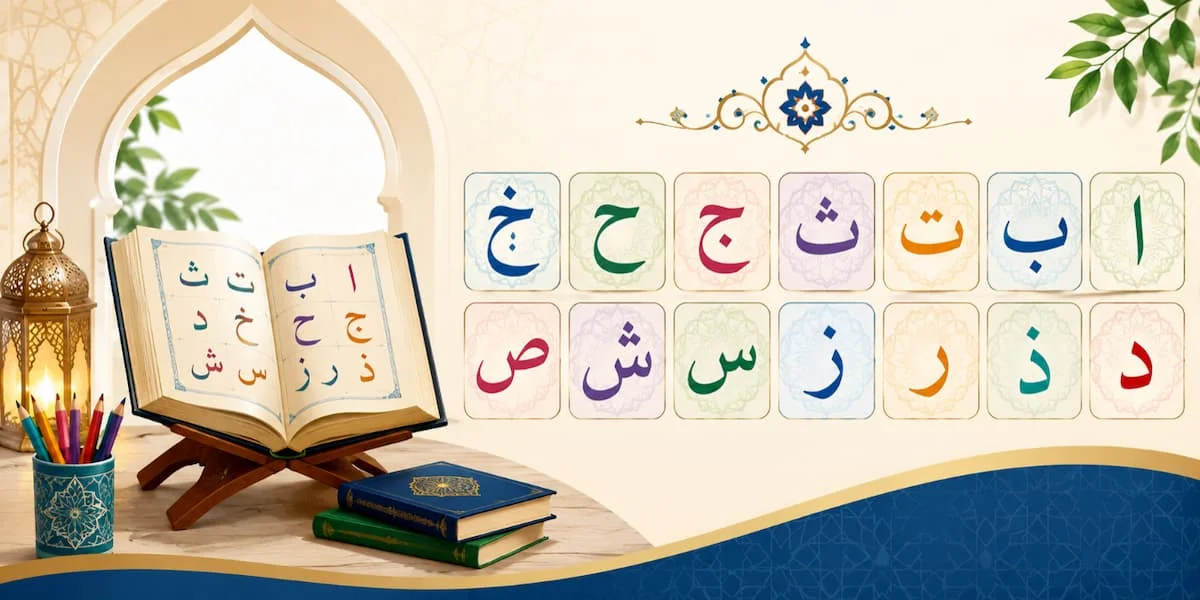
Yes, children can learn to read Arabic without speaking the language first. They can begin with letter shapes, names, sounds, and simple words. Learning spoken Arabic can come later. At Masjid As-Siddiq—Islamic Center of West Georgia, we see early reading skills as a useful first step for children. The Arabic alphabet gives children a foundation for reading the Quran. They do not need to speak Arabic fluently before starting.
No. Speaking and reading are two different skills. A child can learn to recognize written words without holding conversations in that language. We see the same pattern with many languages. For example, children may learn to read English before they can write long sentences. They learn sounds, letters, and simple words first.
Arabic can be learned in a similar way. Children can start with the names of letters. They can learn the sounds each letter makes. They can also practice recognizing each shape. Those skills help children move toward Quran reading. Speaking Arabic is useful, but it is not a requirement for learning the script. We can teach children the reading basics first. Spoken language can develop alongside those skills later.
Young learners often do better with small steps. Trying to teach too much at once can make lessons tiring. We can start with the basic letter shapes. Children then learn each letter’s name and sound. After that, we can introduce short vowel sounds. Children can begin joining sounds together as their confidence grows. A simple learning path can include:
Each step prepares children for the next one. Parents should not worry if progress seems slow at first. Young children often need repeated practice before something becomes familiar.
Yes. Children can learn individual sounds without learning full conversations. The goal at first is not to teach them how to speak Arabic. The goal is to help them connect written symbols with correct sounds. That skill is especially useful for Quran reading.
Children can hear a sound from their teacher. They can then repeat it while looking at the written letter. Some Arabic sounds may not exist in English. Those sounds can take extra practice.
We should give children enough time to hear and repeat them. Correct pronunciation matters, especially when children begin reading Quranic verses. A calm teaching style can make unfamiliar sounds feel less difficult.
Every child learns differently. Some children quickly remember shapes and sounds. Others need more repetition. Children may also confuse letters that look similar. Dots can change the identity and sound of a letter. For example, small differences in dots can create completely different letters. Children need time to notice these details.
Writing practice can help with recognition. Reading practice can strengthen memory too. We can also use repetition without making lessons feel like drills. Games, cards, matching activities, and short reading exercises can keep children engaged. Short lessons can work better than long sessions for younger learners.
Children naturally have days when they feel less interested. That does not mean they cannot learn. Long lessons can sometimes make young learners tired. Shorter practice may work better. We can also connect lessons with things children already enjoy. Pictures, stories, games, and simple activities can add variety.
Children often respond well when they can see their progress. Reading a word they could not read a few weeks earlier can feel exciting. Recognizing a letter in the Quran can also give them a sense of achievement. Our role is to make learning steady and positive.
There is no single age that works for every child. Some children show interest at a young age. Others need more time before they are ready for structured lessons. Readiness can matter more than age. A child may be ready when they can sit for short lessons. They may also enjoy recognizing shapes, repeating sounds, or copying simple marks.
We can adjust lessons based on the child’s age and ability. Starting early can help children become familiar with the Arabic script. However, there is no need to rush. A calm and steady approach can build stronger long-term habits.
Yes, children can learn Arabic letters without speaking Arabic first. Reading begins with recognizing shapes, names, and sounds. Speaking is a separate skill. We can teach children to read simple Arabic text while gradually introducing spoken words and phrases as their confidence develops.
Learning time differs from child to child. Some children recognize letters quickly, while others need more repetition. Regular short practice can help. We suggest focusing on steady progress rather than speed. A child who learns comfortably may develop stronger reading habits over time.
There is no need to choose only one. Children can learn Quran reading while also learning simple spoken Arabic. Reading requires letter and sound practice. Speaking requires listening and conversation practice. We can support both skills at suitable levels as children grow.
Some Arabic letters change shape when they appear at different places within a word. Children may first learn each letter separately. Later, they see how it connects with others. Regular reading practice helps children recognize these changing forms more easily and confidently.
Yes, parents can support learning at home with short practice sessions. Children can review letter names, sounds, and shapes after class. We suggest keeping practice relaxed and consistent. Parents can also read simple Quranic text with children and praise their progress.
Children do not need to speak Arabic before learning to read it. They can start with letters, sounds, shapes, and simple connections. A strong foundation can make Quran reading feel less intimidating later. It can also give children a useful connection with the language of the Quran. At Masjid As-Siddiq—Islamic Center of West Georgia, we believe children learn best with patience, practice, and clear guidance. The Arabic alphabet can become familiar through small steps and regular support.
A child’s first experience with Quran learning can shape how they feel about it later. We can help make that experience calm, welcoming, and age-appropriate. If your child is ready to begin learning, reach out to us at Masjid As-Siddiq—Islamic Center of West Georgia. We can help you learn more about suitable learning opportunities and ways to support practice at home. Starting with a few simple letters can lead to meaningful progress over time. We encourage families to take that first step with patience and confidence.